
Table of Contents
- EICR Norwich | Electrical Installation Condition Reports for Homeowners and Landlords
- What Is an EICR?
- Do I Need an EICR?
- What Does an EICR Check?
- How Long Does an EICR Take?
- Will the Power Need to Be Turned Off?
- What Happens if My EICR Finds Problems?
- What Do C1, C2, C3 and FI Mean?
- Can an Old Fuse Box Cause an EICR Failure?
- How Much Does an EICR Cost in Norwich?
- What Are the Most Common Reasons Properties Fail an EICR?
- Should I Get an EICR Before Buying a House?
- EICRs for Landlords in Norwich
- Areas We Cover
-
Frequently Asked Questions
- How often should a homeowner have an EICR?
- Can I stay in the property during the inspection?
- Do I receive a certificate?
- Can Norfolk Current carry out remedial work?
- Is an EICR the same as PAT testing?
- Will furniture need moving?
- How long is an EICR valid for?
- Can an EICR identify hidden electrical faults?
- Book an EICR in Norwich
1) EICR Norwich | Electrical Installation Condition Reports for Homeowners and Landlords
If you’re looking for an EICR in Norwich, you’re probably asking one of three questions:
- Is my property’s electrical installation safe?
- Do I actually need an EICR?
- What happens if problems are found?
At Norfolk Current, we carry out Electrical Installation Condition Reports (EICRs) for homeowners, landlords and property buyers throughout Norwich and the surrounding areas. Whether you own a modern family home in Cringleford, a rental property in Thorpe St Andrew, a bungalow in Hethersett or an older property closer to Norwich city centre, an EICR can provide a clear picture of the condition of the electrical installation.
Electrical systems don’t last forever. Wiring can deteriorate, accessories can become damaged and previous alterations may not always have been carried out to a satisfactory standard. Many electrical issues remain hidden until a fault develops or a safety inspection is carried out.
An EICR is designed to identify these issues before they become a bigger problem.
Back to top2) What Is an EICR?
EICR stands for Electrical Installation Condition Report.
The easiest way to think of it is as an MOT for the fixed electrical installation within a property.
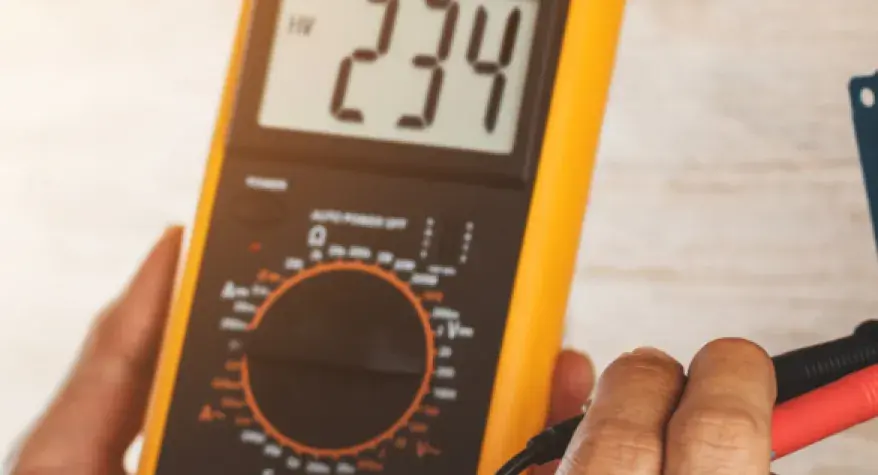
During the inspection, the electrical installation is visually inspected and electrically tested to assess whether it remains safe for continued use. The aim is to identify damage, deterioration, defects, poor workmanship or anything that may present a risk to people, property or livestock.
Unlike a quick visual inspection, an EICR involves proper testing of circuits throughout the property. The results are then recorded in a detailed report which explains the condition of the installation and highlights any observations that may require attention.
Many homeowners assume that if the lights work and the sockets have power, everything must be fine. Unfortunately, that isn’t always the case. Some of the most serious electrical defects cannot be seen without inspection and testing.
Back to top3) Do I Need an EICR?
That depends on your circumstances.
3.0.1) Homeowners
For owner-occupied properties, electrical installations are generally recommended to be inspected and tested periodically. Many homeowners arrange an EICR every ten years or when purchasing a property.
If you’ve lived in your home for many years and have never had the electrics checked, an EICR can help identify issues that may otherwise go unnoticed.
3.0.2) Landlords
Landlords have legal responsibilities regarding electrical safety in rented properties.
An EICR helps demonstrate that the electrical installation has been inspected and tested by a qualified electrician and provides a record of its condition at the time of inspection.
If remedial work is required, this can then be addressed to ensure the installation remains safe for tenants.
3.0.3) Property Buyers
An EICR can be particularly useful when purchasing an older property.
A homebuyer survey may identify visible concerns, but it will not usually involve detailed electrical testing. An EICR can reveal hidden issues that may not become apparent until after completion.
Many buyers use an EICR to gain a better understanding of the condition of the electrics before making a final decision.
3.0.4) Property Sellers
Some sellers choose to arrange an EICR before putting their property on the market. This can provide reassurance to potential buyers and help avoid unexpected questions later in the sales process.
Back to top4) What Does an EICR Check?
One of the most common questions we hear is:
“What exactly are you testing?”
An EICR covers the fixed electrical installation within the property.
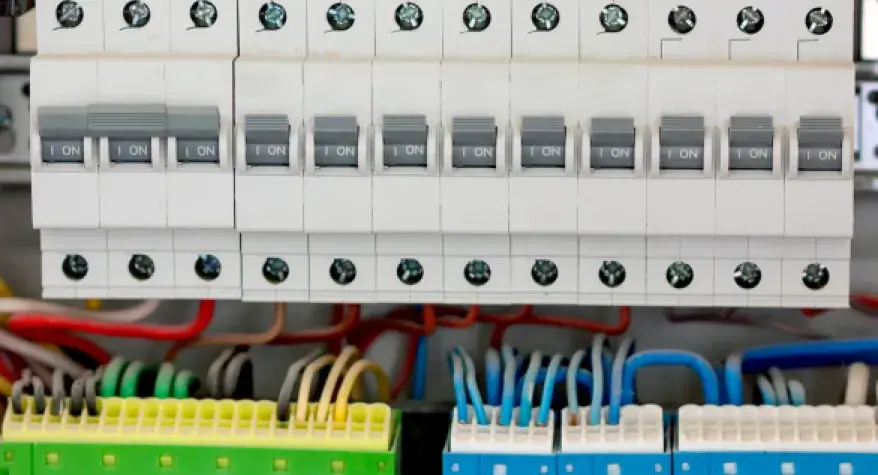
This typically includes the consumer unit, earthing arrangements, main protective bonding, socket circuits, lighting circuits, cooker circuits, shower circuits and other fixed wiring systems.
We inspect the installation for signs of damage, deterioration, overheating, overloading and poor workmanship. Electrical testing is then carried out to verify that protective devices operate correctly and that the installation remains suitable for continued use.
The inspection may identify issues such as damaged accessories, inadequate protection against electric shock, poor earthing arrangements, overloaded circuits or defects caused by previous alterations.
The purpose is not to force unnecessary upgrades. It is to identify genuine safety concerns and provide clear recommendations based on the condition of the installation.
Back to top5) How Long Does an EICR Take?
The time required depends on several factors.
The size of the property, the number of circuits, the age of the installation and access arrangements all play a role.
A modern flat with a small number of circuits will generally take less time to inspect than a larger property with multiple consumer units, outbuildings or extensive electrical installations.
As a rough guide, many domestic properties take between two and four hours, although larger or more complex installations can take longer.
We always aim to work efficiently while ensuring the inspection is carried out thoroughly.
Back to top6) Will the Power Need to Be Turned Off?
Yes, in most cases.
Electrical testing requires sections of the installation to be isolated while certain tests are carried out.
Power interruptions are normally temporary, but it is important that customers are aware that some circuits will need to be switched off during the inspection process.
If you work from home or have equipment that may be affected by power interruptions, it is worth discussing this before the appointment so suitable arrangements can be made.
Back to top7) What Happens if My EICR Finds Problems?
Many people worry that an unsatisfactory EICR automatically means a complete rewire.
In reality, this is rarely the case.
Electrical installations can receive observations for a wide range of reasons. Some issues may be relatively straightforward to rectify, while others may require more extensive work.
Once the inspection has been completed, the report will explain any observations identified and whether remedial work is recommended or required.
Where appropriate, Norfolk Current can provide a quotation for any remedial work needed and explain the findings in plain English.
The goal is always to help customers understand what has been found and what options are available.
Back to top8) What Do C1, C2, C3 and FI Mean?
EICRs use observation codes to classify issues identified during the inspection.
C1 – Danger Present
A C1 observation means there is an immediate danger and urgent action is required.
Examples may include exposed live parts that could result in electric shock.
C2 – Potentially Dangerous
A C2 observation indicates that a potentially dangerous condition exists.
While there may not be an immediate danger, remedial work is required to reduce the risk.
C3 – Improvement Recommended
A C3 observation recommends improvement but does not normally make the report unsatisfactory on its own.
Many older installations receive C3 observations because standards have changed over time.
FI – Further Investigation Required
FI stands for Further Investigation.
This is used where additional investigation is required before the condition of part of the installation can be fully assessed.
Understanding these codes helps customers make informed decisions about any work that may be required following the inspection.
Back to top9) Can an Old Fuse Box Cause an EICR Failure?
Sometimes.
Older consumer units are one of the most common concerns identified during inspections.
However, simply having an older fuse box does not automatically mean the property will fail.
What matters is whether the equipment remains safe and suitable for continued use.
Issues that may result in observations include missing RCD protection where required, damaged equipment, inadequate fault protection or signs of overheating.
Many homeowners in Norwich still have older consumer units that continue to operate safely. Others may benefit from replacement due to age, condition or the level of protection provided.
Every installation should be assessed on its own merits.
Back to top10) How Much Does an EICR Cost in Norwich?
The cost of an EICR depends on the property itself.
Factors that can affect the cost include:
- Property size
- Number of circuits
- Age of installation
- Access arrangements
- Occupied or vacant status
- Additional buildings or installations
A proper EICR involves inspection, testing, reporting and professional assessment of the installation. It should never be treated as a quick visual check.
If you’re unsure whether an EICR is appropriate for your property, we’re always happy to discuss your requirements before booking.
Back to top11) What Are the Most Common Reasons Properties Fail an EICR?
Across Norwich and the surrounding areas, there are a number of issues that appear regularly during inspections.
One of the most common is inadequate RCD protection. Modern installations often include additional protection devices that were not required when older properties were originally wired.
Poor earthing and bonding arrangements are another common issue, particularly in older homes.
Damaged sockets, cracked accessories, signs of overheating and poor-quality DIY alterations also appear regularly.
In some cases, faults remain hidden until testing is carried out, which is why inspection and testing are so valuable.
Most observations can be resolved through targeted remedial work rather than major rewiring projects.
Back to top12) Should I Get an EICR Before Buying a House?
Many customers believe this is one of the best times to arrange an inspection.
A property may appear well maintained, but the condition of the electrics is often difficult to assess without testing.
An EICR can highlight concerns such as outdated consumer units, damaged wiring, poor earthing arrangements or previous alterations that may require attention.
Having a clearer understanding of the installation before purchasing can help avoid surprises later and may even assist during negotiations.
Back to top13) EICRs for Landlords in Norwich
Landlords have a responsibility to ensure that electrical installations within their rental properties remain safe.
An EICR provides a record of the condition of the installation and helps identify any issues requiring attention.
We carry out landlord EICRs throughout Norwich, including Cringleford, Eaton, Thorpe St Andrew, Hethersett, Costessey, Taverham, Sprowston, Horsford, Brundall, Poringland and Wymondham.
Where remedial work is required, we can provide quotations and carry out the necessary work to help landlords maintain compliance and keep their properties safe.
Back to top14) Areas We Cover
Norfolk Current carries out EICRs throughout Norwich and the surrounding areas.
We regularly work in Cringleford, Eaton, Thorpe St Andrew, Hethersett, Wymondham, Costessey, Taverham, Drayton, Sprowston, Horsford, Brundall, Poringland and many other nearby locations.
Back to top15) Frequently Asked Questions
15.0.1) How often should a homeowner have an EICR?
Many homeowners choose to have an EICR every ten years or when buying or selling a property.
15.0.2) Can I stay in the property during the inspection?
Yes, although power interruptions will usually be required during testing.
15.0.3) Do I receive a certificate?
You will receive an Electrical Installation Condition Report detailing the findings of the inspection.
15.0.4) Can Norfolk Current carry out remedial work?
Yes. If issues are identified, we can provide recommendations and quotations for remedial work.
15.0.5) Is an EICR the same as PAT testing?
No. PAT testing relates to portable appliances, whereas an EICR focuses on the fixed electrical installation.
15.0.6) Will furniture need moving?
Access may be required to sockets, the consumer unit and other parts of the installation.
15.0.7) How long is an EICR valid for?
This depends on the type of property and its use.
15.0.8) Can an EICR identify hidden electrical faults?
Yes. Many faults are only identified once testing is carried out.
Back to top16) Book an EICR in Norwich
If you’re looking for an EICR in Norwich, whether you’re a homeowner, landlord, property buyer or property seller, Norfolk Current can help.
We provide thorough inspections, clear reports and straightforward advice to help you understand the condition of your electrical installation.
For more information about arranging an Electrical Installation Condition Report in Norwich or the surrounding areas, get in touch with Norfolk Current today.
Back to top


We pride ourselves on 100% customer satisfaction